
How to Order Steak Doneness at LongHorn: Rare to Well-Done
Not sure what medium-rare or medium will look like? Compare center color, warmth, juiciness and texture—then use an ordering phrase your server can understand.
What Steak Doneness Should You Order?
Order medium-rare if you enjoy a warm red center and prioritize juiciness. Order medium if you want a warm pink center and a firmer, beginner-friendly bite. Choose medium-well for only a little pink, or well-done for no pink.
Rare
Cool, red centerSoftest interior with the most visible red.
Medium-Rare
Warm, red centerJuicy with a tender, springy bite.
Medium
Warm, pink centerBalanced moisture and firmness.
Medium-Well
Some pinkFirmer with noticeably less juice.
Well-Done
No pinkCooked through with the firmest texture.
LongHorn Steak Doneness Chart
LongHorn describes doneness by the center you receive. The ranges below are common culinary references, not a guarantee of an exact restaurant thermometer reading.
| Doneness | LongHorn center description | Common final reference | Texture | Best fit |
|---|---|---|---|---|
| Rare | Cool, red center | 120–125°F | Very soft and juicy | Diners comfortable with a cool red center |
| Medium-Rare | Warm, red center with hint of pink | 130–135°F | Juicy, tender, springy | Ribeye, strip and filet balance |
| Medium | Warm, pink center | 140–145°F | Moderately juicy, firmer | Beginners or less-red preference |
| Medium-Well | Some pink in center | 150–155°F | Firm, limited juice | Only a small trace of pink |
| Well-Done | No pink; cooked through | 160°F+ | Firmest, least juicy | No-pink preference |
Safety note: USDA guidance for whole beef steaks is 145°F followed by at least a three-minute rest. Higher-risk diners should follow official or medical food-safety advice rather than preference-based guidance.
Best Doneness for Filet, Ribeye and Sirloin
Doneness changes every cut differently. Marbled ribeye has internal fat that softens with heat, while lean filet and sirloin have less fat to buffer moisture loss.
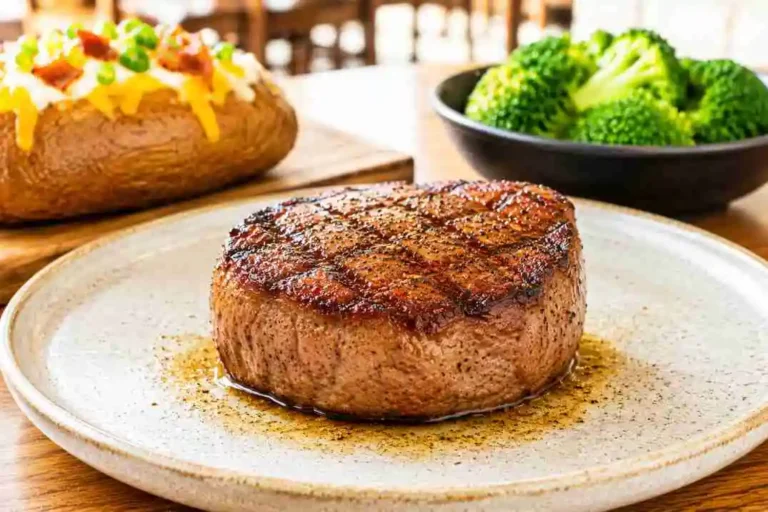
- Flo’s Filet: medium-rare for maximum tenderness; medium if you prefer pink rather than red.
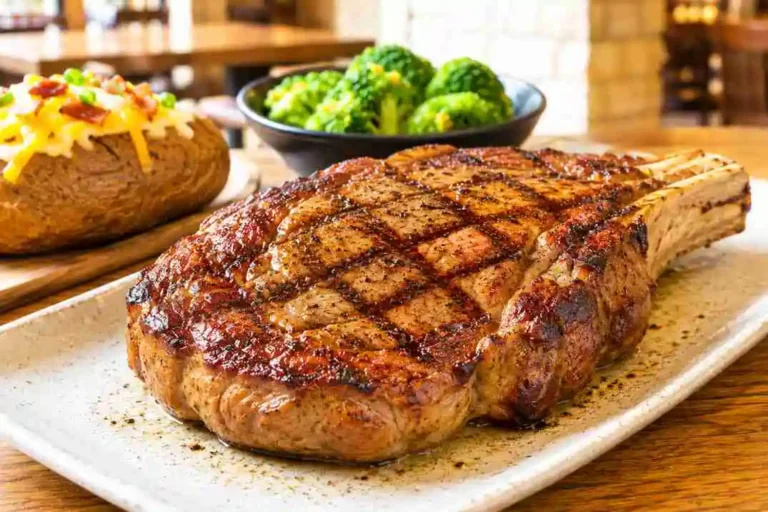
- Ribeye and Outlaw Ribeye: medium-rare or medium helps warm and soften marbling.
- Renegade Sirloin: medium-rare to medium; higher doneness emphasizes its firmer bite.
- New York Strip: medium-rare retains juice while preserving its characteristic chew.
- Well-done preference: choose a marbled cut and expect a firmer, less juicy center.

How to Tell Your LongHorn Server What You Want
1. Choose the cut
Name the steak and portion first, such as Flo’s Filet 6 oz.
2. State one level
Use rare through well-done. Avoid vague phrases such as “not too pink.”
3. Explain concern
If unsure, ask what the center looks like. “Warm pink, not red” points to medium.
4. Separate toppings
Ask for sauce on the side if you want to judge the steak itself.
5. Check the center
Cut the thickest center, not the more-cooked thin edge.
6. Speak up promptly
If it differs substantially, politely tell the server before eating much.
A Simple Ordering Script
“I’ll have the 6-ounce Flo’s Filet, cooked medium. I’d like a warm pink center, with the standard seasoning.”

Common Steak Doneness Mistakes
Choosing medium-rare only because it is popular can backfire if red meat makes you uncomfortable. Choosing well-done only because you fear a “raw” center may produce a firmer steak than expected.
Exterior char does not reveal the center. Thickness matters, so an edge may appear more cooked. And remember: doneness and food-safety guidance answer different questions—one describes preference; the other manages risk.
LongHorn Steak Doneness FAQ
What doneness is best at LongHorn?
Medium-rare suits juiciness and tenderness; medium is approachable for diners who prefer warm pink instead of red.
What does medium look like at LongHorn?
LongHorn describes medium as a warm, pink center. It is firmer than medium-rare but retains more moisture than medium-well.
Should I order ribeye medium-rare or medium?
Medium-rare emphasizes juice; medium gives marbling more heat to soften and leaves less red. Both suit ribeye.
What doneness is best for beginners?
Medium is practical because the center is warm and pink. Beginners comfortable with red may prefer medium-rare.
Can I send back incorrectly cooked steak?
If the thick center differs substantially from your order, tell your server politely and promptly.
Choose the Cut Before the Temperature
Match tenderness, flavor, marbling and portion size in the complete decision guide, or browse the full steak menu.
Editorial note: This independent guide is not affiliated with LongHorn Steakhouse. Preparation varies by cut and location. Follow official food-safety advice for individual health needs.