
LongHorn Flo’s Filet Review: Is It Worth Ordering?
Flo’s Filet promises a tender, lean steak in a manageable portion. This practical review explains its flavor, texture, calories, portion choices, ideal doneness and who should—or should not—order it.
Is LongHorn Flo’s Filet Worth It?
Yes—Flo’s Filet is worth ordering when tenderness, a lean texture and portion control matter more than maximum size or bold marbled flavor. It is one of LongHorn’s safest choices for a first steak or a diner who dislikes fatty seams.
You Prioritize Tenderness
The fine-grained center cut gives a soft, consistent bite with very little connective tissue or visible fat.
You Want Bold Beef Flavor
A ribeye’s marbling produces a richer, juicier taste. Filet is deliberately milder and depends more on searing and seasoning.
You Pay for Texture
Filet generally costs more per ounce than sirloin. The value is tenderness and consistency—not the largest plate of beef.
Flo’s Filet Taste and Texture Explained
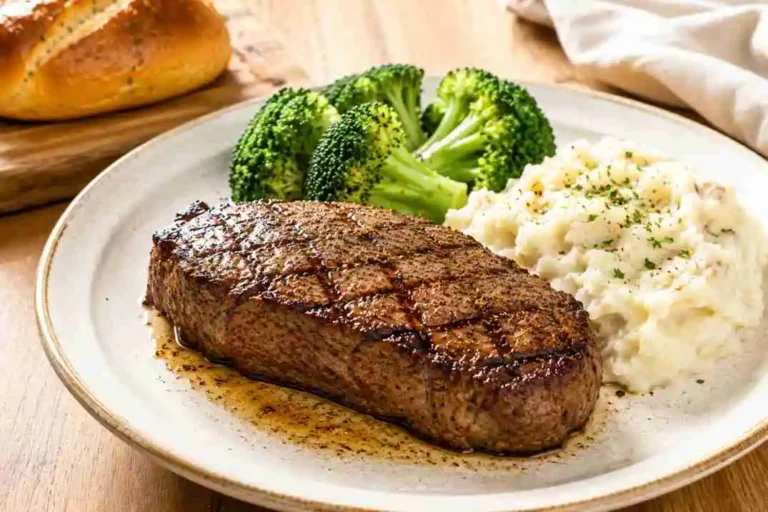
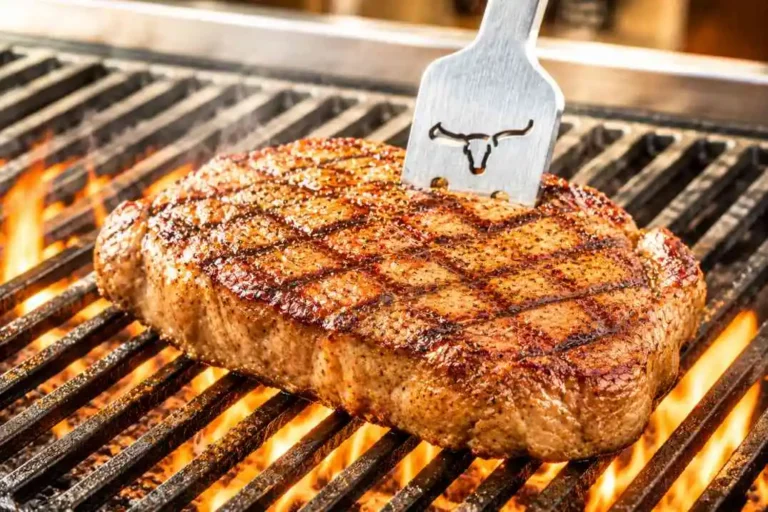
Flo’s Filet is a center-cut filet with a delicate beef flavor and a buttery-feeling bite. “Buttery” describes tenderness, not heavy fat: filet is leaner than ribeye and has less internal marbling. LongHorn’s seasoning and hot sear provide the savory, peppery crust that the meat itself does not create through fat.
The texture is the real selling point. When cooked medium-rare or medium, the fibers stay fine and easy to cut. Because the cut is lean, the difference between properly cooked and overcooked is noticeable. Medium-well and well-done preparations become firmer and can lose the moisture that makes filet feel luxurious.
Flo’s Filet at a Glance
These editorial scores translate cut characteristics into a quick decision aid; they are not official LongHorn ratings.
Flo’s Filet 6 oz vs 9 oz: Calories and Best Use
LongHorn’s current published nutrition guide lists the steak alone at 330 calories for 6 oz and 450 calories for 9 oz. Sides, salads, dressings, sauces and toppings are separate, so the complete meal can be much higher.
| Choice | Calories | Protein | Fat | Sodium | Best fit |
|---|---|---|---|---|---|
| 6 oz Flo’s Filet | 330 | 37 g | 15 g | 330 mg | Most diners, lighter meal, richer sides |
| 9 oz Flo’s Filet | 450 | 56 g | 19 g | 480 mg | Large appetite, protein-focused meal |
Nutrition values are for the steak item in LongHorn’s published guide and may change. Verify the latest official guide when calories, sodium or allergens affect your decision.
Best Doneness for Flo’s Filet
Medium-rare is the best texture-first choice: a warm red center keeps the lean filet moist and soft. Medium gives a warm pink center and a slightly firmer bite, making it the easier choice for guests uncomfortable with more redness.
Medium-well or well-done is still a valid preference, but the cut’s low fat means less protection from drying. If you prefer no pink, ask the server what texture to expect and consider a sauce on the side rather than covering the steak before tasting it.
- Medium-rare: softest, juiciest filet experience.
- Medium: approachable balance of moisture and firmness.
- Medium-well: firmer with limited pink.
- Well-done: no pink, but greater dryness risk.


Flo’s Filet vs Ribeye vs Sirloin
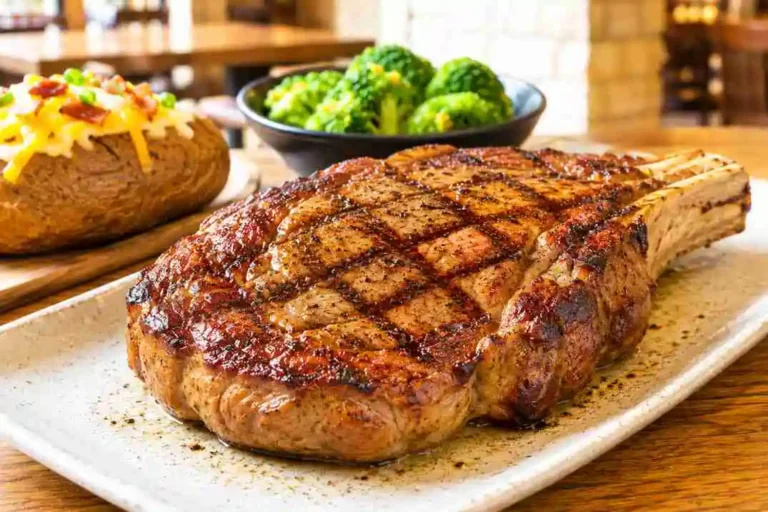
Choose filet when tenderness and minimal visible fat lead your decision. Choose ribeye when richness, juiciness and marbling sound more important than a uniform lean bite. Choose Renegade Sirloin when you want straightforward beef flavor and a lower-cost entry point.
- Flo’s Filet: tenderest, mildest, premium per ounce.
- Ribeye: richest and juiciest, with more fat and calories.
- Renegade Sirloin: lean, firmer and value-oriented.
Still unsure? The complete LongHorn steak buying guide compares every major cut by flavor, texture, appetite and calories. First-time diners can also use the beginner steak guide.
Best Sides and Add-Ons for Flo’s Filet
Because filet is lean and mild, sides can either add richness or keep the meal light. Choose one direction rather than stacking every premium add-on; otherwise it becomes difficult to appreciate the cut you paid for.
Balanced Plate
Pair the filet with steamed broccoli, asparagus or a simple salad. This keeps the steak’s texture central and limits extra richness.
Classic Steakhouse Plate
A baked potato or mashed potatoes supplies the richness that lean filet lacks. Watch butter, cheese and dressing portions if tracking calories.
Flavor-Forward Upgrade
A crust or sauce can increase savory impact, but ask for sauce on the side if you want to judge the filet’s natural flavor first.
How to Order Flo’s Filet in Four Steps
LongHorn Flo’s Filet FAQ
Is Flo’s Filet the most tender steak at LongHorn?
Flo’s Filet is generally the most tenderness-focused core steak because filet comes from a fine-grained muscle with little connective tissue. Ribeye can also be tender, but its fat seams create a more varied texture.
How many calories are in LongHorn Flo’s Filet?
LongHorn’s published nutrition guide lists the 6 oz Flo’s Filet at 330 calories and the 9 oz portion at 450 calories before sides, toppings or sauces.
What does Flo’s Filet taste like?
It has a mild, clean beef flavor with a seasoned, seared exterior. Its main advantage is a soft, buttery-feeling texture rather than the intense richness associated with ribeye.
What is the best doneness for Flo’s Filet?
Medium-rare best preserves moisture and tenderness. Medium is a good compromise for diners who prefer a warm pink rather than red center. Higher doneness produces a firmer, drier filet.
Is the 6 oz or 9 oz Flo’s Filet better?
The 6 oz portion suits most balanced meals and leaves room for sides. The 9 oz portion is better for a larger appetite or protein-focused meal. Texture and seasoning should be similar; portion and total nutrition are the real differences.
Should You Choose Flo’s Filet?
Choose it for tenderness, leanness and a manageable steakhouse portion. Compare it with every other cut before deciding—or browse the complete steak menu for current choices.
Editorial note: This independent review is not affiliated with or endorsed by LongHorn Steakhouse. Taste and value judgments are editorial; menu items, prices, ingredients, nutrition and availability can change by location.